
Buying an Amazon KDP Business: What to Check Before You Pay
A Kindle Direct Publishing business is really a catalog plus an account. Verify royalties, rights, and account health before buying someone else's books.
72 stories published in November 2026
A Kindle Direct Publishing business is really a catalog plus an account. Verify royalties, rights, and account health before buying someone else's books.

Selling without a broker saves commission but puts the work on you: valuation, listing, buyer screening, and closing. Here is a practical plan for small SaaS founders.

A quality of earnings report checks whether a seller's profit is real, repeatable, and correctly stated. Learn what it covers and when a small deal needs one.
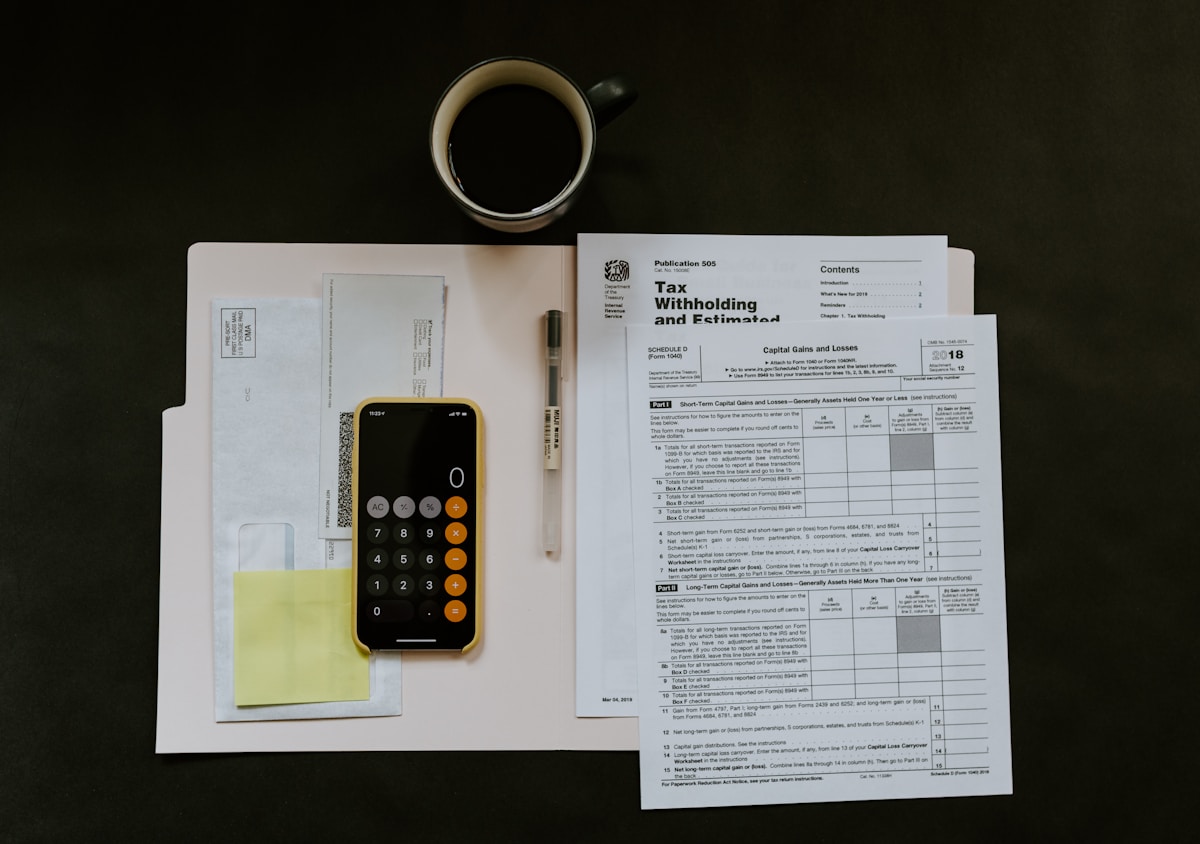
An earnout only pays if the business performs after you leave, so the terms matter as much as the headline price. Learn the protections sellers should negotiate before signing.

Print-on-demand stores look hands-off, but design ownership, supplier reliability, and ad dependence can hide big risks. Run this checklist before you buy one.

Stripe accounts cannot simply change hands like a domain. Learn the transfer options, the subscription migration problem, and how to avoid losing recurring revenue.

The first months after buying an ecommerce store decide whether it grows or fades. Stabilize first, then grow in a deliberate order: conversion, retention, then new traffic.
Domain portfolios can pay through sales, leases, or traffic, but most portfolios are mostly dead weight. Learn how to value the few names that actually matter.

Learn how to check a content site's traffic from source data before you pay, so you never buy inflated or dying visits.

Churn decides what a SaaS business is worth a year after you buy it. These are the red flags to check before you sign.

SDE and net profit sound similar but can value the same business very differently. Here is how to read both before you offer.
Etsy shops sell on listings, reviews, and search rank that do not always transfer cleanly. Use this checklist before you pay.

A content site's value comes from verified monthly profit times a multiple, adjusted for traffic quality. Here is the formula in plain terms.

Escrow holds the buyer's money until the store actually transfers. Follow these steps to close a Shopify purchase without either side taking the risk.
One client paying a third of revenue can sink an agency purchase. Learn how to measure concentration risk before you buy.

The asset purchase agreement decides what you actually own after closing. These are the clauses that matter most for online businesses.
Inflated revenue is the oldest trick in business listings. These checks separate real earnings from numbers dressed up for sale.
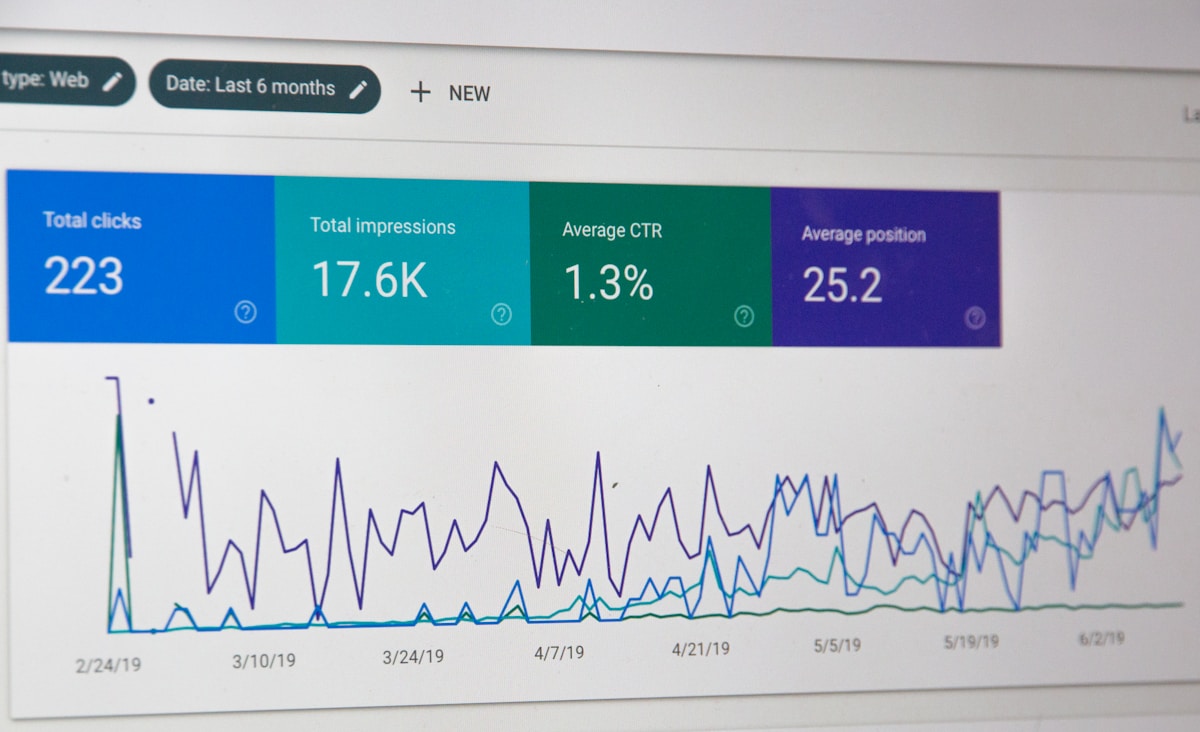
How you pay for a small online business changes its risk and return. Compare SBA loans, cash, and seller financing before you choose.
A falling revenue chart does not always mean a bad business. Learn how to tell a fixable dip from a dying product before you make an offer.
Flippa and Acquire.com serve very different buyers. Compare fees, listing quality, verification, and deal support to pick the right marketplace for your first micro-acquisition.

You do not need to be a developer to spot a codebase that will cost you a fortune. Learn the checks, questions, and expert reviews that reveal technical risk before you pay.
Asset sales, stock sales, sales tax, and VAT can change what a deal really costs. Learn the tax questions to ask before you sign, and when to get professional advice.
A letter of intent sets the shape of your deal before lawyers get involved. Learn what to include, what to leave out, and which clauses actually protect a buyer.
AI wrapper tools look profitable until the model bill arrives. Learn how to judge an AI business on its margins, moat, and model costs before you buy.