How to Buy a Podcast Business: Audience, Revenue, and Due Diligence
- Primary Signal: How to Buy a Podcast Business: Audience, Revenue, and Due Diligence
- Overview: Podcasts are a new frontier for micro-acquisitions: cheap to buy, easy to run, and rich in loyal audiences. Learn how to verify downloads, check sponsorship revenue, and value a sh...
- Verification: Analyzed and compiled by Try2Rich Capital editorial monitoring desk.
Podcasts have quietly become a real acquisition market. Thousands of shows have loyal audiences and steady sponsorship income, and many of their hosts are ready to move on. For a buyer who understands content, a podcast can be one of the cheapest businesses to acquire and one of the most enjoyable to run.
But podcasts are also easy to fake. Download numbers can be inflated, sponsorships can be one-off deals, and an audience that loves the host may not stay for a new one. This guide explains how to verify a podcast's real audience, check its revenue, and value it fairly.
A podcast business is three assets in one: the show's back catalogue, its audience, and its revenue relationships. The back catalogue matters because old episodes keep earning downloads and ad impressions for years, especially in evergreen niches like business, health, and history. The audience matters because it is the asset that sponsors pay to reach.
The revenue relationships are the trickiest part. Some shows earn from host-read sponsorships, others from programmatic ads, listener subscriptions, or affiliate links. Sponsorships tied to the host personally may not survive a sale, while programmatic ad revenue usually does. Ask exactly where every dollar comes from before you value the show, and get the last twelve months of revenue broken down by source in writing.
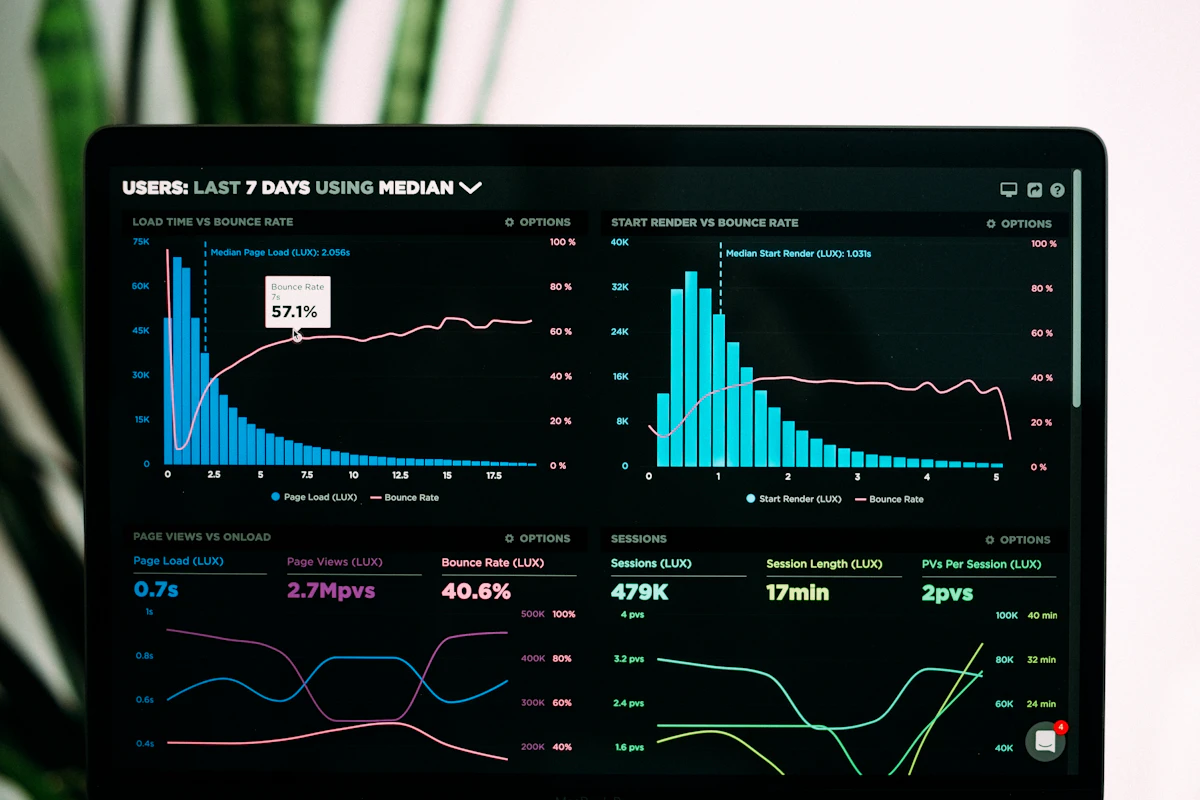
Download numbers are the starting point, but they are not the whole story. Ask for hosting analytics from the podcast host, such as Libsyn, Buzzsprout, or Transistor, showing downloads per episode over the last twelve months. Look for consistency: a show averaging five thousand downloads per episode with a stable trend is worth more than one that spiked once and faded.
Check the audience quality too. Ask for listener demographics, the email list size and open rates, and social media engagement. A show with two thousand email subscribers who open every newsletter is often more valuable than one with fifty thousand downloads and no direct relationship with its listeners. Also check the reviews: genuine listener reviews tell you whether the audience is loyal or merely passing through, and a show with thoughtful, specific reviews is almost always a healthier asset.
Podcasts usually sell for two to four times annual profit, with the multiple depending on audience size, revenue diversity, and how much the show depends on the host. A show with three income streams and a format that any competent host can run commands a higher multiple than a personality-driven show where the host is the product.
Be careful with shows that depend on a single sponsor. If one sponsor represents more than half the revenue, the business is fragile. Also check the cost side: editing, hosting, and production can eat a surprising share of revenue if the seller outsources everything. A show that earns a hundred thousand dollars a year but costs eighty thousand to produce is not a hundred-thousand-dollar business.
The biggest risk in buying a podcast is the audience leaving with the old host. The best transitions are gradual: the old host introduces you over several episodes, explains the change, and endorses the new direction. A clean break with no introduction is the worst option and often costs the show a third of its audience overnight.
Negotiate a transition period in the sale agreement, ideally four to eight weeks of co-hosted episodes. Also secure the assets properly: the RSS feed, the hosting account, the domain, the social media accounts, and the email list. If any of these stay in the seller's name, you do not fully own the business. Get everything transferred in writing before the final payment clears.
More from Try2Rich Capital